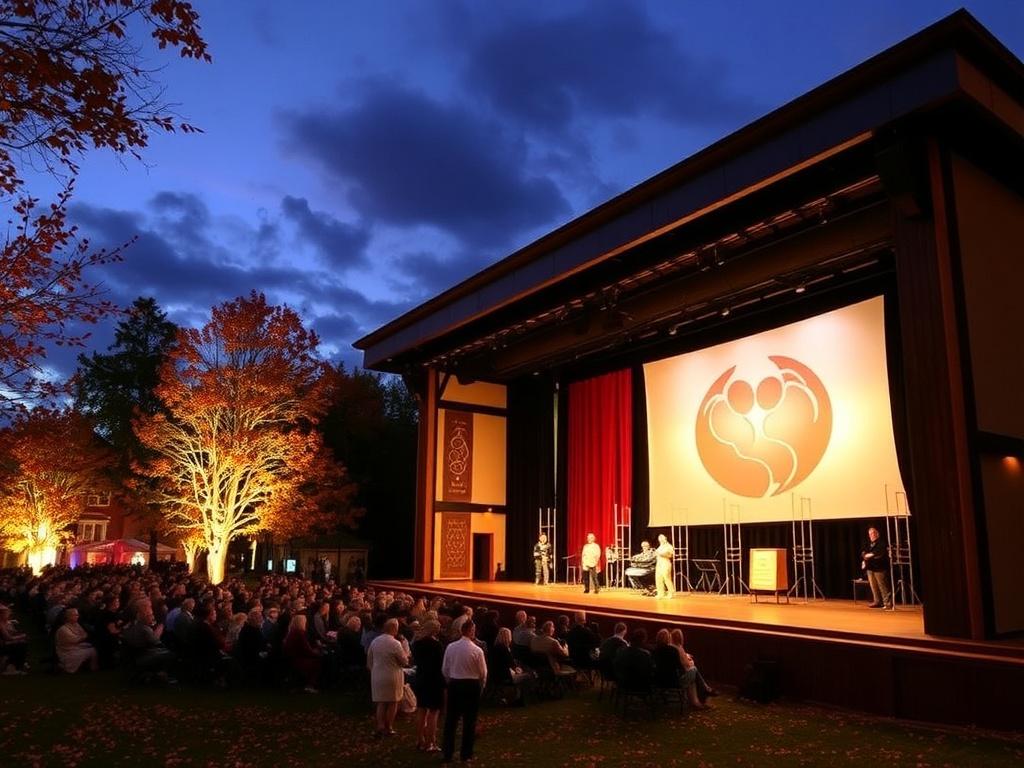
Autumn is a theatre lover’s playground. The air turns cooler, the seats fill with anticipation, and stages become laboratories for new voices and bold experiments. If you’re chasing a year’s best theatre experiences, the fall festival circuit offers a rich mix of classic reverence and boundary-pushing innovation. And for readers curious about the idea behind the phrase Фестивали осени: куда отправиться театралу, this guide weaves that sense of discovery into practical, human-scale advice.
Prague’s autumn theatre corridor: Pražský podzim and its peers
Pražský podzim, Prague’s renowned autumn festival, anchors a season when the city’s theatres open their doors to international companies, contemporary plays, and bold new productions. The program often blends operatic finesse with intimate drama, giving theatre lovers a chance to compare a grand gesture with a minimalist daring all within a few blocks of each other. The vibe is immersive: you walk from a candlelit black-box to a soaring opera house, sometimes within the same afternoon.
Planning matters here. Check the festival’s daily schedule, because some performances land in historic venues that speak a language of their own—the creak of a timber stage, the hush before an entrance, the glint of a bare light bulb on a stark set. If you’re traveling with limited Czech fluency, don’t worry—many productions offer English surtitles or program notes in English. Still, a little pre-show preparation helps: reading a synopsis or watching a short trailer can anchor your expectations and deepen your engagement when the actors step into the light.
The city itself becomes part of the show. Narrow streets, riverside walks, and grand cafés provide natural intermissions where you can debate the evening’s choices with fellow theatre nerds you meet in the lobby. For first-timers, a curated evening—perhaps a single high-profile production followed by a more experimental late show—often yields a richer mosaic than trying to see everything at once. And if you’ve never heard a stage whisper in a foreign language, Prague’s autumn season is a gentle invitation to let meaning float around you and settle where it will.
Paris in the fall: Festival d’automne à Paris and the city’s theatre ecosystem
Turn a corner in autumn and you’ll stumble into Festival d’automne à Paris, a sprawling, multi-disciplinary celebration that treats theatre, dance, music, and performance art as a single, evolving ecosystem. The festival’s breadth is its strength: you might see a gripping contemporary play in a 19th-century venue one night, followed by an investigative dance piece in a converted warehouse the next. The sheer variety can feel overwhelming, but that breadth is what makes Paris the ideal place to explore a spectrum of theatrical language, from text-based drama to non-verbal storytelling.
Language is a practical consideration here. While a number of pieces are performed in French with subtitles, others are presented in English or rely on physical theatre and visual storytelling that transcends language barriers. If you’re a theatre-lover visiting with a friend who doesn’t speak French, you’ll still find shows that speak directly through rhythm, space, and movement. A good tactic is to pace your evenings: one text-heavy production, one or two pieces that lean into movement or staging, and a midweek break to savor a café’s atmosphere and reflect on what you’ve seen.
The autumn air in Paris also invites slower, deeper dives into theatre culture. Consider a backstage tour, a post-performance talk with the artists, or a visit to a smaller venue where emerging creators are testing new ideas. The festival’s energy can be contagious, but the city’s rhythm—baker’s carts, bookshops, and late-night cabaret—offers a complementary thread to the stage’s intensity. If you’re charting a trip around the phrase Фестивали осени: куда отправиться театралу, Paris’s festival circuit is a compelling case study in how autumn can become a theatre pilgrimage rather than a single week of shows.
Nordic autumn stages: Helsinki, Stockholm, and the quiet blaze of the north
The Nordic autumn theatre circuit often feels like a contrast to the dense, urban bustle of Western Europe. In cities like Helsinki and Stockholm, autumn becomes a season of contemplative staging, precise design, and intimate rooms where the cold outside seems to slow time inside. The theatres tend to emphasize craft—textured acting, meticulous direction, and scenography that invites you to linger between scenes and reflect on the space itself as much as the performers.
What makes this landscape special is the way autumn invites residency-style programming, cross-border collaborations, and festival formats that celebrate new work in progression. You may encounter mid-career writers testing a new play with the help of a small audience, or a contemporary dance piece that builds its momentum through repeated, deliberate performances. The atmosphere leans toward thoughtful immersion: you arrive early, map your route through a cluster of venues, and treat each show as a short, concentrated conversation with a roomful of strangers who become collaborators in your own listening.
Travel logistics in the north can be part of the experience as well. The weather may tilt toward damp and brisk, so packing layers, moisture-wicking fabrics, and a compact umbrella is wise. Yet the warmth in theatres—often wooden interiors, hushed rows, and the soft glow of stage lighting—balances the chill outside. For theatre lovers who crave a seasonal shift in mood and pace, this autumnal arc offers a restorative, almost meditative approach to seeing live performance.
North American routes: fall theatre journeys across the United States and Canada
Across North America, autumn theatre festivals—whether in major hubs or regional hubs—tend to celebrate both new writing and the revival of beloved plays with fresh casts. The fall season is when many companies premiere ambitious new works that will travel back to local stages or be adapted for regional tours. If you’re chasing a sense of discovery, plan around one or two flagship events, but leave room for discovering smaller, independent theatres in the host city. The mix of big, well-funded houses and intimate, scrappy ensembles is part of what makes the fall calendar so rewarding.
In Canada and the United States, you’ll find festivals that function as cross-genre laboratories: theatre, music theatre, devised works, immersive experiences, and multidisciplinary performances that blend stagecraft with new media. The best approach is to curate your schedule with a mix of recommended productions and edges—the things that feel risky or experimental. You’ll often leave a festival with a few shows you adored, a handful you admired, and one or two you didn’t fully connect with—and the value is in the conversation that follows.
One practical tip is to check accessibility options early. Some theatres provide audio descriptions or captioning for performances, and many offer student or senior discounts. If you’re traveling on a budget, look for single-ticket days, rush tickets, or late-night performances that tend to be priced more accessibly. Autumn theatres in North America are well-known for their hospitality to visitors who come from out of town, and the best experiences often begin with a warm welcome at the box office and lobby bar.
Choosing a festival that matches your tastes
With so many autumn stages to choose from, a thoughtful approach matters more than the sheer number of shows you can cram into a trip. Theatre lovers come with a spectrum of appetites: some chase language-rich dramas, others chase movement-driven theatre, still others crave immersive experiences that throw the audience into the middle of the action. Knowing your preferences helps you select a festival that will feel personally meaningful rather than merely impressive in a brochure.
Another factor is audience culture. Some festivals cultivate a tradition of after-show discussions, reader-rooms, and artist Q&As that reward attendees who want to talk through themes, staging choices, and character arcs. Others emphasize a quick-fire, high-energy vibe with back-to-back performances that demand a different kind of listening. Consider how you like to engage with a show: do you want to dissect it with the playwright in a post-performance session, or do you prefer to savor the impression and let it linger in your memory without an immediate formal discussion?
For those intrigued by global theatre, a festival can feel like a crash course in contemporary performance languages. You’ll hear plays in English, French, Czech, Swedish, and more, sometimes all in a single city. If you’re comfortable with subtitled performances, you’ll extend your listening palate; if you prefer non-verbal storytelling, you’ll find abundant work that leans into physical theatre and visual metaphor. Either way, autumn festivals are laboratories for taste—your task is to pick the lab that aligns with your curiosity and appetite for risk.
Practical planning for autumn theatre pilgrimages
Every successful festival trip begins with a plan: flight or train schedules, accommodation in a walkable neighborhood, and a rough daily rhythm that balances stage time with meals, exploring, and rest. The best itineraries let you wander a few streets between venues, letting the city’s textures—the architecture, the street music, the conversation you overhear in a café—inform your understanding of the performances you’ve seen.
Ticket strategy is another crucial piece. Some shows offer a rush or lottery system, while others require careful pre-sale planning. If you’re navigating multiple productions, create a shared calendar and set reminders for on-sale dates. A light touch of flexibility is worth its weight in gold: the best experiences often come from last-minute discoveries—an under-the-radar show described by a local theatre practitioner in the lobby can be as memorable as a headline premiere.
| Festival | Region | Focus |
|---|---|---|
| Pražský podzim | Central Europe (Czech Republic) | Theatre, opera, and dance with international presence |
| Festival d’automne à Paris | France (Paris) | Multi-arts festival: theatre, dance, music, visual work |
| Nordic autumn theatre circuit | Nordic cities | Intimate rooms, experimental and craft-focused work |
Another practical tool is a modest packing list tailored to theatre-going: comfortable shoes, a light rain layer, a compact notebook for reflections, and a lightweight scarf or wrap for chilly theatres. If you plan to indulge in the city’s cultural offerings beyond the stage, keep room in your bag for a good book or a poster to remember the trip by. Autumn theatre travel rewards the curious; it also rewards preparation that respects the rhythm of theatre, which often moves at a deliberate pace, with pauses for conversation and contemplation.
Reading, listening, and pre-show rituals
Whenever I approach a festival, I begin with reconnaissance: a few hours of reading, listening to interviews with directors, and skimming program notes. The way a festival presents its season—through a curated catalogue, a series of short video trailers, or a set of artist talks—tells you a great deal about the lens through which you’ll experience the work. I’ve found that reading even a handful of thoughtful reviews or artist statements before you go opens doors you didn’t know you needed to step through.
Pre-show rituals can be personal and revealing. Some people like to read a short synopsis aloud with a friend, then watch the stage’s lighting cues in the room. Others prefer to arrive early, stand in the lobby, and listen to the room’s energy. The theatre is a shared, imperfect mirror of culture: the way an audience leans forward in their seat, or the hushed sound of a collective breath as the lights go down, says as much about a festival’s character as any press release could. Bring that curiosity into the building, and you’ll leave with more questions answered than you realize you had.
What to pack into your autumn theatre itinerary
Your itinerary should balance a few anchor performances with incidental discoveries. A reliable approach is to anchor your trip around one or two major productions while leaving space for an offbeat piece, a late-night show, or a performance in a non-traditional venue. The richest experiences often come from surprise matches—an intimate, experimental show found in a converted studio, or a bilingual production that reframes a familiar text in a fresh sonic key.
Food and culture go hand in hand in autumn towns. Plan to take a long lunch or a late dinner after a show, so you can compare notes with locals and fellow travelers. You’ll hear recommendations in the city’s bustling theatre districts that aren’t in the guidebooks yet, and those off-the-beaten-path tips can become your festival memory—the small café where a performer told you about their rehearsal, or a bookshop where you discovered a play you want to read next.
Personal experiences from the road
Over the years, I’ve wandered into autumn theatres with a notebook full of questions and left with pages of answers I hadn’t anticipated. In Prague I found a production that used room acoustics as a character in its own right, a reminder that theatre often speaks in spaces as much as in lines. In Paris, a late-night performance in a brick-walled studio unfolded like a conversation between memory and possibility, leaving me with a renewed sense of how time can bend when imagination is given permission to lead the way.
One of the most influential lessons I’ve learned is to trust the journey between shows. The best evenings aren’t only about the moment on stage; they’re also about the walk through the city after, the chance conversations you have with strangers who share a similar sense of curiosity, and the quiet hours spent rereading a play you saw in a living room of a small theatre. Autumn theatre travel thrives on that interstitial time—the moments when a city breathes and invites you to breathe with it.
Beyond the marquee: engaging with the theatre community
Festivals are social ecosystems. The most memorable experiences often happen offstage—in rehearsals, in post-show discussions, and in the exchange of recommendations between audience members and artists. If you’re shy, you can still participate by attending Q&As after performances or by signing up for a festival mailing list to receive artist notes and backstage stories. If you’re more extroverted, you’ll enjoy the livelier side of festival culture: impromptu conversations in lobby bars, late-night salon-style gatherings, and informal talks that break down the barrier between creator and audience.
Engaging with the theatre community also means supporting writers, performers, and designers who are building their careers in a busy autumn season. Consider purchasing a program or a small piece of merchandise from a company you connect with, attending a workshop, or volunteering for a day to see how festivals sustain artists and audiences alike. The generosity of the festival community—its willingness to share process, drafts, and ideas—often returns to you in the form of a richer, more generous viewing experience.
Language, accessibility, and inclusivity on the autumn circuit
Autumn stages worldwide are becoming more accessible. While not every venue will have multilingual support in every performance, many festivals now offer captioning, audio description, and translations that enable broader participation. If you have specific accessibility needs, check the festival’s accessibility page early, and don’t hesitate to ask the box office about accommodations. It’s in the practical details that a trip becomes truly enjoyable rather than merely tolerable.
Inclusivity in programming is another frontier to watch. Audiences are increasingly diverse, and stage directions, design language, and casting choices reflect this. When you walk into a festival, you’re not just choosing a show; you’re choosing an ecosystem that recognizes a spectrum of experiences, voices, and perspectives. That recognition is part of what makes autumn festivals so compelling: they invite you to witness difference, rehearse empathy, and return with a broader sense of what theatre can be in a changing world.
A strategic mindset: how to approach the question Фестивали осени: куда отправиться театралу
The phrase Фестивали осени: куда отправиться театралу can feel like an invitation to curate a passport of performances rather than a single destination. The essence of that idea is simple: autumn theatre is less about chasing a checklist and more about orchestrating a personal itinerary that mirrors your curiosity. Start with two anchors—a city you’ve always wanted to explore and a production that promises an unusual angle on a familiar text. Then fill in with nearby venues that offer a complementary tonal shift: one intimate, one ambitious, one that challenges your expectations of what theatre can do.
When you approach a festival with this mindset, you’ll notice how the season’s rhythm shapes your choices. The same city might reveal a different mood in its morning cafés than in the late-night theatre district. You’ll discover that the best experiences aren’t always the biggest productions but the ones that spark a conversation you’ll carry with you for a long time after the curtain falls. And you’ll have a personal map of autumn’s theatre landscape—a map that you can adjust year after year as your tastes evolve.
Closing thoughts from the road
Autumn theatre festivals are a reminder that a season isn’t merely something that passes—it’s a curated moment when art, travel, and community intersect. If you treat each show as a doorway into a new way of listening, you’ll leave each city not just with a suitcase of programs but with a renewed sense of how to inhabit time—in a darkened room, with strangers who become companions in a shared experience. The fall arc of theatre invites you to slow down, notice details you’d otherwise miss, and return home with a handful of patterns you’ll notice in future productions wherever you go.
So, where should a theatre lover go this autumn? You could start with Pražský podzim in Central Europe and the Festival d’automne à Paris to taste two distinctly European flavors of autumn theatre. From there, a Nordic circuit can offer a cooler, more intimate mood, and North American cities will present a mix of regional pride and adventurous new writing. The beauty of autumn is that it invites you to wander—not aimlessly, but with intention, curiosity, and a readiness to be moved. And if you carry that spirit, you’ll find that the question Фестивали осени: куда отправиться театралу isn’t a trap of choices but a doorway to stories you’ll tell for years to come.