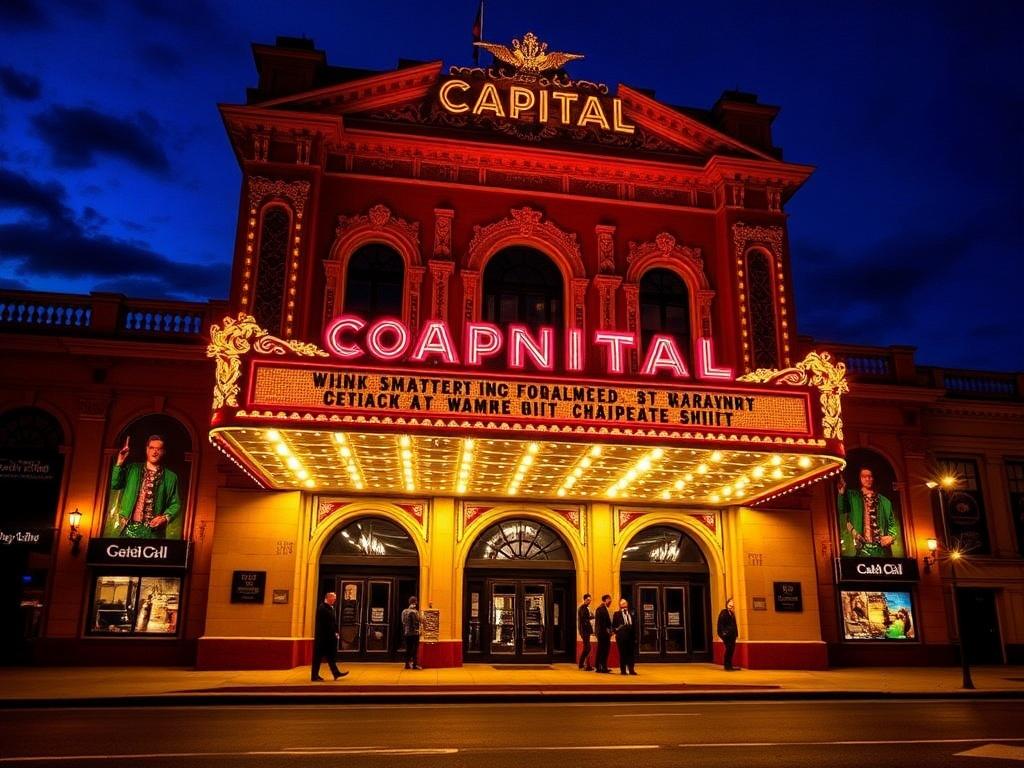
The electric rhythm of a city’s stage scene can be contagious, especially when a string of premieres and touring productions rolls through the capital’s theatres. If you’ve ever chased a show from one venue to another, you know the thrill of catching it just as the lights flare to life. This article digs into the practicalities, the pacing, and the little rituals that help you navigate the world of theatre tours. For readers seeking Гастроли столичных театров: расписание и билеты, you’ll find concrete guidance here—plus tips drawn from years of following productions across major cities.
What touring theatre means in a capital city
The concept of theatre tours is simple on the surface: a company travels from city to city with a set repertoire, performing shows outside its home base. But in practice, tours in a capital city are a little more layered. Local audiences bring a familiarity with certain venues, while visiting productions introduce new staging norms, different acoustics, and a sometimes unfamiliar seating map. For theatre professionals, tours are a way to test a production’s universality; for audiences, they’re a chance to see a beloved show in a new context and soak up the atmosphere of a city that lives for live performance.
Capital theatres often balance a core season with occasional touring productions that dot calendars across the year. You might notice a rhythm: a cluster of shows in the autumn that spill into winter, a midseason pause that aligns with holidays, and a spring push as festivals and cultural events bloom. The best tours are those that respect the audience’s expectations—clear program notes, reliable ticketing, and a sense of occasion that transcends the particular theatre you’re in.
Where to find schedules and official sources
The most reliable way to track tours is to start with the theatres’ own channels. Official websites, press releases, and social media accounts provide the most up-to-date calendars, venue notes, and ticketing options. If you’re chasing Гастроли столичных театров: расписание и билеты, this is your north star: the direct line to accuracy, with fewer surprises on the day of performance.
Beyond the home theatres, several platforms compile schedules across multiple venues in a city. Cultural portals, arts weeklies, and city tourism sites can be excellent resources, especially for a visitor who’s planning a week or two around a handful of shows. The advantage of these aggregators is convenience; the trade-off is the need to double-check details on the official pages before buying tickets.
Official theatre websites
Start with the theatre that anchors the city’s theatre scene. Even if you’re seeking a touring production, many companies publish a separate “Tours” or “Repertoire” section on their sites. Look for sections labeled “Upcoming,” “Season,” or “Calendar.” Mark the dates you’re interested in, and download or subscribe to reminders so you don’t miss a sale or a late add-on performance.
Sign up for newsletters when offered. They’re often the fastest way to receive early access codes, discount opportunities, or special programs for students and seniors. If you’re planning a specific show, set alerts for when the production releases new media, such as cast lists or behind-the-scenes videos, since those often precede ticket sales by a day or two.
Festivals, cultural calendars, and festival theatres
Festival periods are natural magnets for touring theatre. In many capitals, major festivals book touring productions as a central feature. If you’re chasing the most complete picture of Гастроли столичных театров: расписание и билеты, keep an eye on festival lineups. They not only broaden the repertoire you can access, but often bundle shows by district, so you can plan a compact, efficient itinerary.
Preparing in advance is especially smart if you’re traveling from abroad. Festival calendars can help you align arrival dates with show openings, opening-night receptions, and Q&A sessions with artists. And if you’re a theatre nerd who loves the microculture of a venue, festivals are where you’ll find side events—the people-watching, the talks, the glimpses behind the scenes—that transform a night at the theatre into a richer experience.
Ticketing options and price realities
Ticketing is where fantasy meets practicality. The moment you lock in a seat, you’re also making a choice about view, comfort, and timing. For touring productions in the capital, you’ll typically encounter a mix of ticket categories that reflect the venue’s layout, the production’s scale, and the expectations of different audiences. It’s not glamorous in every moment, but it’s straightforward when you understand the options.
In many capitals, you’ll see the same spectrum: standard seats with the classic sightline, premium seats closer to the stage for a more immersive feel, and balcony or gallery seats that offer a different acoustic and perspective. Some venues also offer “flex” or “dynamic” pricing, where prices shift based on demand, day of the week, or how recently the show opened. If you’re flexible, these can yield significant savings—just be mindful of seat quality and the occasional restrictions on exchanges or refunds.
| Ticket type | What it typically includes | Pros | Cons |
|---|---|---|---|
| Standard | Regular seating in the middle to rear orchestra or main floor | Balanced view; usually the best value | Limited perspective changes for some shows |
| Premium | Front or center orchestra, sometimes access to a lounge or pre-show program | Closest sightline; enhanced acoustics for certain productions | Higher cost; not always necessary for a great experience |
| Balcony/Gallery | Upper levels, often a lighter price point | Good cost savings; often less crowded | Distance from stage; potential for less intimate viewing |
| Accessibility seating | Wheelchair-accessible locations, companion seating | Inclusive option; clear access to seating | Availability can be limited; advance planning is key |
Prices vary widely by city, venue, and production. If you’re new to the scene, start with Standard seats to gauge the balance between price and view. If a show really resonates with you, a second, closer experience can be a memorable splurge. And if you’re traveling with a group, some theatres offer group rates or package deals that combine tickets with tours, meals, or backstage glimpses.
Decoding the schedule: when and where tours land
Tour calendars tend to cluster around certain windows, but there’s no one universal rhythm. In most capitals, autumn launches a robust slate as companies reconvene after summer, followed by a flurry of programming in the winter holidays. Spring often brings a mix of revival productions and new works, timed with tourist traffic and festival ecosystems. If you’re mapping a trip specifically to catch a tour, you’ll want to align your dates with venue calendars, but also keep some flexibility for last-minute additions or mobile shows that shift venues mid-tour.
One practical approach is to build a two-tier itinerary: a core plan anchored by two or three fixed shows, plus a flexible day or two that you reserve for touring productions that pop up or schedule adjustments. Touring life is inherently dynamic; a preferred show could announce an extra performance or a new city stop with surprisingly short notice. Building in buffer time helps you stay nimble without sacrificing your experience.
Seasonal patterns you might notice
Across many capitals, theatre tours follow a few telltale patterns. There’s often a post-summer cadence when schools return and families resume cultural outings. The holiday season tends to bring top-tier titles, sometimes in limited runs, as audiences seek festive or iconic productions. Spring waves in with fresh collaborations and festival ties, while the summer months can feature pop-up performances, outdoor stages, or theatre-in-the-round configurations that draw crowds who are traveling or locals looking for an easy cultural hit during vacation.
If you’re planning around a specific theatre or company, subscribe to alerts and check the company’s calendar quarterly. Even a lightweight bookmark: “Upcoming Tours” can save hours of hunting later. And if you’re traveling with a friend who speaks a different language, take note of surtitles or live translation options that some touring productions provide to broaden accessibility.
Planning your visit: a practical checklist
A little preparation goes a long way when you’re chasing a show through a crowded city. Here’s a practical checklist that covers the essentials without turning your trip into a logistics puzzle.
- Decide on your performance preferences: language of the production, seating comfort, and proximity to the stage.
- Verify the venue’s accessibility and transportation options. Some theatres are near major transit hubs, others are tucked into tucked-in neighbourhoods with stairs or limited elevator access.
- Create a compact calendar with two or three show options and backup days. If a show sells out, you’ll be glad you have a plan B.
- Check the exchange and refund policies before purchasing. Touring productions can occasionally shift dates or venues due to technical or cast considerations.
- Set up reminders for on-sale dates. For popular productions, tickets can vanish within minutes.
When I’ve covered theatre tours in the past, my most reliable trick has been to pair a show with a nearby cultural activity—museum visits, a gallery stroll, or a late-night dining spot near the theatre. The day becomes more than a performance; it turns into a mini–theatre district experience.
Choosing the right performance for the moment
Not every touring show will be the same, and that’s part of the fun. Some productions are designed with the road in mind: flexible sets, modular staging, minimal scene changes, and a compact cast that travels well. Others are more elaborate, with full-scale production elements that demand bigger venues or longer setup times. Knowing what you’re in for helps you select a show that matches your mood and expectations.
Language and translation are critical considerations when you’re touring in a non-native city. If surtitles or translations are essential to your enjoyment, check the production notes before you buy. Some tours offer bilingual programs or real-time translation apps. Others assume the audience will follow visually through gesture and music. If you’re traveling with companions who have varying language needs, look for productions that explicitly accommodate language access so everyone can participate fully.
What to expect when you step into a touring venue
Venues hosting touring productions share many characteristics with home theatres, but there are sometimes distinct quirks. Sightlines may differ slightly from what you’re used to in your city. Acoustics can vary based on the architectural style and the materials used in the hall. The pre-show experience—ushers guiding you to your seat, the sound check’s hush before the overture, the moment the lights dim—feels universally familiar, yet each theatre has its own personality.
Plan to arrive early. Touring productions often have shorter warm-up times between acts, and the house lights may go down more quickly than you expect. Bring a small bottle of water if allowed, and be mindful of policies about photography and recording. The best tip is to enjoy the ritual: the hush in the audience, the first notes hovering in the air, the moment a stage spark ignites a story you’ve never seen exactly this way before.
Accessibility, inclusivity, and the touring experience
Modern theatre aims to be accessible to a wide range of audiences. Touring productions, in particular, are increasingly designed with inclusive access in mind—step-free routes, seat options for mobility needs, and programs that accommodate diverse audiences. If accessibility is a priority, contact the venue in advance to confirm seating arrangements, companion seating, and any assistive services such as audio description or captioning. A proactive call or email can save you from frustrations on arrival.
Inclusivity also means programming that speaks to broad audiences. Some tours broaden their appeal through family-friendly shows, translated titles, or workshops that invite you behind the curtain. If you’re traveling with children or friends who are new to live theatre, look for shows marketed as accessible or educational, and check whether there are discussion events or post-show gatherings you can attend to deepen the experience.
Behind the scenes: what an ordinary day on tour looks like
Touring life for a production is a whirlwind of rehearsals, travel, and rapid setup. A typical day might start with a quick load-in at the venue, a final tech rehearsal, and a sound check that must be precise enough to travel with the company’s equipment. The afternoon becomes a delicate balance of rest, makeup, and focus as actors prepare to inhabit their roles across a new stage. In many ways, the day mirrors the backstage rhythm of a single city’s theatre, but the travel adds a layer of challenge and camaraderie that makes the team noticeably tight-knit.
I’ve seen crews keep meticulous logbooks, swapping tips about the quirks of different houses—where the stage lights hit the performers with particular intensity, where the audience’s gaze tends to drift, or which seats pick up more of the orchestra’s texture. Travelling with a show means preserving the integrity of the production while adapting to fresh spaces. It’s a reminder that a great performance isn’t built only on a script and score; it’s a living, breathing dialogue among cast, crew, and audience, wherever the city places its stage lights.
Neighborhoods, dining, and post-show rituals
The theatre district is more than a place to sit for a couple of hours. It’s a walkable ecosystem with bakeries, bookshops, and coffee bars that become part of the night’s memory. If you time your visit well, you can stroll from a matinee into an evening of conversation over late meals, or catch a street musician after a show and let the city take a bow alongside the performers.
One of my favorite rhythms when chasing tours is to plan a post-show stroll through a nearby square or riverfront if the city has one. You’ll often find a quiet bench where you can reflect on a production’s themes, or a gallery corridor where rehearsals spilled into a new interpretation of a scene. It’s in these small, unplanned moments that a touring experience truly lands, becoming something you’ll recall long after the curtain falls.
Practical tips for travelers and locals alike
Whether you live in the city or are visiting for a few days, a few practical tips can make a major difference in your touring experience. First, trust the official channels for the most reliable information. Second, give yourself flexible planning windows—shows can shift dates, venues, or even cast members, and the best luck comes to those who don’t lock themselves into a single plan. Third, bring a sense of curiosity. Touring theatre invites you to view a city from a different angle, to listen for accents in acting styles, and to notice the differences between the home company’s signature approach and the visiting company’s own choices.
And if you’re the kind of reader who loves collecting memories, consider keeping a small theatre diary during your trip. Jot down what surprised you—be it a particular staging choice, a chorus’s tempo, or a pre-show ritual you watched from your seat. Those notes become a personal map of your theatre pilgrimage, a record of how touring productions travel and how audiences receive them in new settings.
Resources and reliable starting points
To keep this guide practical, here’s a compact set of resources that consistently prove useful when chasing touring productions in the capital. Bookmark these, so you’re never hunting for hours when a show goes on sale.
- Official theatre portals: calendars, seat maps, and contact details for accessibility inquiries.
- City cultural portals and tourism boards: broad overviews of events, with filters for art, music, and theatre performances.
- Newsletter sign-ups from theatres and cultural venues: early access to tickets and exclusive offers.
- Trusted ticketing partners: review the return policies, delivery methods (e-tickets versus physical), and fees before purchasing.
- Local arts press and blogs: insightful previews, audience reviews, and often helpful tips about the best seats and sightlines for particular productions.
In my experience, monitoring a combination of these sources yields the most balanced view of what’s available, when, and at what price. It’s worth spending a little extra time upfront to understand the layout of each venue and the idiosyncrasies of touring productions before you buy.
For readers curious about Гастроли столичных театров: расписание и билеты, this article aims to be a practical compass rather than a catalog of every show. It’s about understanding how tours operate, how to secure good seats, and how to weave a theatre itinerary into a larger city visit without losing the spontaneity and magic that live performance invites. When you start to see the pattern—how tours move through venues, how tickets go on sale, how the cast signs a curtain call—the whole experience becomes less about chasing a schedule and more about sharing a living moment with performers and fellow audience members in a city that loves its stages.
To close, imagine a night when a familiar space suddenly feels new: the same orchestra pit, the same velvet seats, but a staging choice that reframes a familiar scene. That’s the essence of touring theatre. It’s people and places meeting in unexpected ways, inviting you to notice a city through a different lens. If you’re ready to dive in, start with the official calendars, keep your plans flexible, and let the energy of the capital’s theatres guide you toward unforgettable nights on the road.