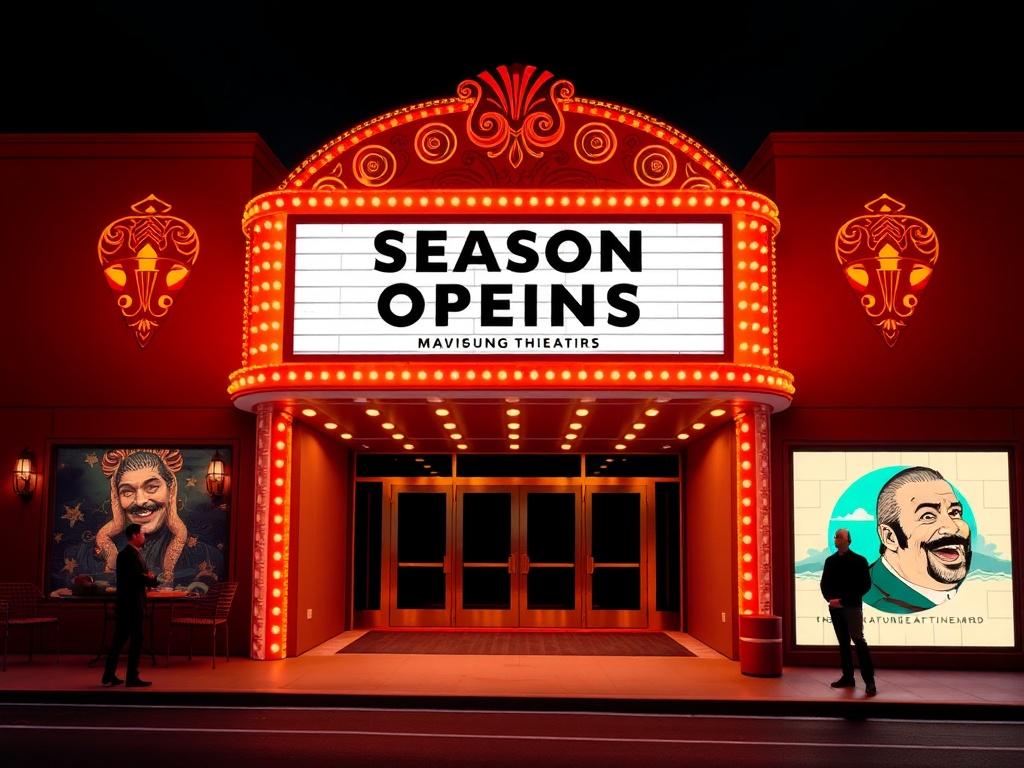
The arrival of a new theatre season is always a crossroads moment: executives unveil their best-laid plans, artists sign on for ambitious projects, and audiences start stitching their calendars around a slate of premieres. Across continents, the major houses balance tradition and risk, reviving beloved classics while welcoming bold new voices. This article explores how theatres frame their seasons, what premieres are driving buzz, and how audiences—whether seasoned subscribers or curious newcomers—engage with a cultural ritual that feels both grand and intimate.
Setting the stage: how theatres frame their season
The season begins long before the curtain rises. Marketing teams map a narrative arc that threads through brochures, press days, and social feeds, aiming to tell a cohesive story while leaving room for surprises. A well-crafted season brochure reads like a map: it highlights anchor productions, points toward experimental ventures, and signals the balance between approachable fare and developmental work that pushes artistic boundaries. For managers, the challenge is not just what to present, but how to present it in a way that translates across diverse audiences with different tastes and budgets.
<pSubscription models are a backbone of this planning. Theatres lean into flexible packages, multi-show passes, and tailored options that encourage commitment without locking out sporadic attenders. The dialogue with patrons is ongoing: early bird discounts, backstage tours, and chatty previews help demystify the seasonal choices. The best houses treat the season as a shared journey, inviting audiences to grow with the company as it experiments, learns, and evolves.
<pBeyond the brochures, theatres invest in preview programming that whets appetite without spoiling surprises. Studio performances, reading series, and artist talks become part of the season’s ecosystem, offering glimpses of upcoming work and a chance to meet directors, designers, and performers. This ecosystem fosters conversation, making the season feel less like a lineup of events and more like a living conversation about what theatre can be in a changing world.
Subscription models and audience loyalty
Season subscriptions are no longer one-size-fits-all. Many theatres offer tiered options that pair predictable access with optional add-ons—opportunities to see a rehearsal, attend a post-performance discussion, or sample a new interactive experience. The goal is to reward loyalty while inviting broader participation, whether through pay-what-you-can days, student rates, or community partnerships. When audiences feel seen and valued, they’re more likely to take a chance on a show they wouldn’t otherwise choose.
<pThe real art of subscription strategy lies in transparency and flexibility. Audiences appreciate clear terms, predictable pricing, and the freedom to swap performances when life intervenes. In return, theatres gain predictable ticket revenue, steadier rehearsal planning, and the chance to tailor marketing messages to a committed core. The result is a healthier ecosystem where long-term engagement and artistic risk can coexist.
Digital previews and behind-the-scenes access
Technology reshapes how seasons are presented and consumed. Short films with directors discussing their visions, virtual tours of rehearsal rooms, and timelapse glimpses of set construction create a sense of immediacy without requiring a live visit. These previews help audiences feel connected to the creative process and more invested in opening nights, even if they’re tuning in from halfway around the world.
<pBehind-the-scenes access isn’t merely promotional. It demystifies the craft: designers explain the challenges of acoustics in a refurbished theatre, choreographers demo how a movement piece takes shape, and composers reveal how a scene’s mood shifts with a single orchestration change. When fans understand the artistry, they’re more likely to attend, engage, and spread the word—transforming curiosity into commitment.
Spotlight on premieres: fresh works and proven classics
<pThe heartbeat of any season is its premieres. Theatres weigh the safety and appeal of revivals against the lure of new works that could become tomorrow’s standards. A successful season often blends revered texts with contemporary voices, leveraging cross-cultural collaborations, modern staging technologies, and dynamic authoring to keep the repertoire vital. It’s not just about what is staged, but how it feels in the moment—timely, resonant, and a little nerve-wracking in the best possible way.
<pWorld premieres carry particular weight. They press theatres to assemble a dream team: playwrights who speak with urgency, directors who can navigate uncharted dramatic territories, and design teams that conjure worlds from scratch. These productions carry the risk of misfires, but when they land, they redefine what a season can be. In the balance, theatres often pair world premieres with bold revivals, creating a dialogue between the new voice and the established lineage that shaped the institution’s identity.
World premieres and co-productions
The most talked-about openings often come from collaborations that span continents. A co-production can pool resources, talent, and funding to realize megaprojects—musicals with ambitious design demands, plays written by emerging global storytellers, or immersive experiences that blur the line between spectator and participant. The result is a season that travels well, bringing a theatre’s signature sensibility to new audiences while inviting local partners to leave their imprint.
<pCo-productions also invite fresh interpretations across venues. A director’s cut in one city can morph into a distinctly different experience on another stage, thanks to cultural context, performer chemistry, and set engineering realities. For patrons, this means a single title might yield multiple, equally valid encounters across the season, reinforcing theatre as a collaborative art form rather than a fixed product.
Season-opening galas and large-scale productions
Opulent openings set the tone for the year. Gala premieres pair fundraising with spectacle, offering orchestral bands, celebrity hosts, and guest artists who signal the theatre’s ambitions. These evenings are more than glamour; they’re markers of the institution’s ability to marshal resources for ambitious productions, upgrade facilities, and sustain a culture of risk-taking. For audiences, they deliver a sensory-first reminder of why live performance matters.
<pLarge-scale productions push the envelope in design, technology, and performance stamina. Expect expansive sets, state-of-the-art lighting, and daring staging decisions that demand precision from every department. The thrill comes from watching a live orchestra synchronize with a chorus, or seeing a single actor navigate a towering set with gravity-defying poise. Such nights are energy injections that can reverberate through an entire season.
Regional highlights: major theatres around the world
<pWhile the big houses often dominate the headlines, regional theatres offer surprising depth and a locational flavor all their own. From revival houses with long-standing traditions to new companies testing the edges of form, the season’s reach is truly global. The following snapshots sketch a few threads from this rich tapestry, illustrating how different cities approach the same challenge: how to tell compelling stories with a region’s voice and sense of identity.
| Theatre | City | Upcoming premiere | Notes |
|---|---|---|---|
| Bolshoi Theatre | Moscow | New interpretation of a classic Russian tragedy | Exclusive staging with augmented reality projections for interior scenes |
| Mariinsky Theatre | Saint Petersburg | Contemporary ballet collaboration | Commissioned score by a leading living composer |
| Royal Opera House | London | New opera in collaboration with a European collective | Hybrid performance blending live and streamed elements |
| National Theatre | London | Renewed classics program | Seasoned actors paired with emerging playwrights |
| Broadway’s Great Theatres | New York | Season of high-profile musicals and daring dramas | Intense weekend runs and flexible ticketing for urban audiences |
Beyond these named houses, intimate venues and regional festivals contribute essential texture to the season. A provincial theatre can surprise with a chamber piece that travels gracefully to university stages, while a mid-sized company might premiere a bold new work that later migrates to a larger house. These movements matter because they seed the broader ecosystem with ideas, talent, and audiences who may later cross paths with bigger stages.
Design, craft, and the season’s visual imagination
Design is a throughline that ties together concept, story, and audience experience. Scenic designers imagine worlds that may look unthinkable on paper but come alive through texture, light, and scale. Costume designers translate period, psychology, and mood into fabric that moves with actors, while sound and lighting teams choreograph mood shifts that can make a scene glow or crumble in an instant. The season becomes a gallery of ideas as much as a slate of performances.
<pIn recent seasons, theatres have leaned into technologically integrated designs that respect tradition while inviting experimentation. Projection mapping can transform a set into a living landscape, while modular stages allow for rapid shifts between scenes and even shows in the same venue. Audiences don’t always notice the engineering behind the magic, but they feel its effects—the way a set breathes with the actors, or how a chorus’ entrance arrives with a precise, almost cinematic timing.
Economic and logistical realities of production design
Design realities aren’t glamorous by themselves, yet they determine what’s possible on stage. Budget constraints shape choices about scenery, costumes, and the number of performers on a given night. Dry runs, prop sourcing, and testing days become as critical as opening night rehearsals because the show’s success hinges on countless small, coordinated decisions. The best teams treat constraints as a creative invitation rather than a barrier.
<pThe season’s visual vocabulary also reflects broader cultural conversations. Directors and designers collaborate with writers and choreographers to ensure a show speaks with authenticity about its characters' experiences. This collaborative spirit often yields work that travels well, resonating with audiences in different cities while preserving the piece’s core humanity.
Accessibility and inclusion: expanding the theatre’s reach
<pAccessibility has moved from a policy line to a daily practice across major theatres. Flexible seating arrangements, captioning and audio-described performances, and community partnerships expand who gets to experience live theatre. The season strategies now measure impact not just by ticket sales but by the breadth of voices in the audience and the inclusive warmth of the theatre’s culture.
<pInclusion also means programming that speaks to diverse communities, including plays and productions rooted in non-Western storytelling traditions, Indigenous voices, and works created with or by people who bring intersecting identities to the stage. The season thus becomes not just a schedule of shows but a living invitation to participate in a shared cultural space. For audiences, that invitation can feel personal and empowering, turning a night out into a meaningful experience.
Awareness, access, and education
Schools, libraries, and local cultural centers often partner with theatres to create outreach programs. Student matinees, talkbacks, and pre-show workshops connect theatre-making to classrooms and community centers. When young people see themselves reflected on stage or learn how a production is built from script to stage, the next generation’s engagement with the art form gains depth and durability.
<pBeyond formal education channels, theatres invest in captioning, sign-language interpretation, and sensory-friendly performances to welcome audiences who might otherwise feel alienated. These choices reflect a belief that theatre belongs to everyone and that accessibility can enhance the experience for all attendees, not just those with specific accessibility needs.
Behind the scenes: casting, creators, and collaboration
<pCasting for a new season is as much about chemistry as it is about talent. Directors seek performers who can ride the emotional arc of a role while delivering the technical demands of a complex part. The casting process often uncovers surprising alignments—the actor who can anchor a heavy dramatic scene while singing a crisp chorus line, or the dancer who can negotiate a modern movement vocabulary with traditional form. The right combination can elevate a production from good to unforgettable.
<pCreative teams increasingly embrace cross-disciplinary partnerships. Writers collaborate with choreographers, visual artists contribute to stage mechanics, and composers work with dance designers to build a piece whose components feel inseparable. The season’s best moments usually emerge from these porous collaborations where artists push one another into unfamiliar territory, testing boundaries while staying true to the story they’re telling.
Emerging voices and seasoned masters
A durable season honors established masters while actively seeking new voices. Veteran artists bring a sense of discipline and nuance that anchors ambitious works, while younger creators infuse projects with risk, curiosity, and the energy of discovery. The balance is delicate, but when it lands, it creates a throughline for an entire artistic community—an example of mentorship in action and a signal to audiences that theatre remains a living, evolving art form.
<pThese collaborations also have a practical payoff: they broaden the network of professionals involved in the work, from designers to technicians to stage managers. With a wider pool of talent, theatres can tackle more intricate productions and develop new repertory that ages gracefully while staying current with contemporary concerns.
The season as a cultural moment: what this year says about theatre’s future
<pThis season’s announcements don’t exist in a vacuum. They reflect broader shifts in how people live, work, and consume art. Theatres are responding to changes in urban life, shifts in philanthropy, and the accelerating pace of technological change. In many houses, the season is designed to feel like a conversation with the present moment—an honest reckoning with what audiences want, what critics expect, and what artists fearlessly need to say.
<pOne throughline is resilience: the capacity to adapt to uncertain times with programming that remains provocative yet accessible. Theatres are testing new formats—split double bills, mixed-media experiences, immersive pieces that invite audience participation—without abandoning the discipline that has always defined stage craft. The result is a season that invites collective imagination while honoring the discipline of craft and the discipline of craft.
Practical notes for attendees: planning your season experience
<pIf you’re planning to dive into the season, start by identifying a few anchors—one or two productions you know you’ll want to see, plus a couple of experiments you’re curious about. This approach keeps your calendar manageable while leaving room for spontaneous evenings. Check the venue’s calendar early, as popular performances sell out quickly, and consider flexible tickets or exchanges if plans shift.
<pConsider pairing performances with related events: post-show discussions, writer talks, or artist Q&As can deepen your understanding and heighten the emotional impact. Many theatres offer curated pre-show tastings, study guides, or behind-the-scenes tours that connect the onstage action to its many moving parts. The more actively you engage, the more the theatre becomes a social space—a place where strangers become neighbors over a shared experience.
Personal reflections: when a season truly resonated
Over the years, some openings left a lasting imprint—not just because of the performances, but because of the way they were staged and talked about afterward. A revival that revisited a familiar text with fresh questions can illuminate old debates in new ways. A bold new work, on the other hand, can spark conversations in cafés, classrooms, and salons for months, long after the final curtain. These are the moments that keep a season memorable.
<pFrom my own experience reporting on theatre, I’ve found that the most meaningful seasons are the ones where the human scale doesn’t get lost in spectacle. The best openings invite you to lean in to the art, listen to the voices at the heart of the production, and walk away with something you didn’t know you were looking for. They remind us that theatre is not a museum exhibit but a living, breathing practice of telling stories together.
In certain cities, the phrase Открытие сезона: анонсы главных театров takes on a ceremonial weight. It signals more than a lineup; it marks a shared rhythm—the moment when a city, a company, and an audience commit to the art form with optimism, discipline, and curiosity. Whether you’re a longtime subscriber or a curious visitor, this season promises opportunities to discover, to argue, to laugh, and to be moved.
As the curtain rises on the new season, take a moment to notice the quiet undertones—the rehearsals that stretched for weeks, the designers who tested dozens of fabric swatches, the script that kept shifting under a director’s careful hand. The theatre’s vitality rests on all those tiny decisions, the ones that never appear on a programme page but that give a performance its soul. The season is a living organism, and you’re invited to witness its growth.
Whether you’re drawn to grand, sweeping narratives or intimate, experimental pieces, the season’s breadth ensures there’s something for everyone. You’ll find familiar comfort in a well-loved play brought to life with a new ensemble, and you’ll discover a spark in a world premiere that speaks to contemporary life in fresh terms. In this balance between reverence and risk, the theatre remains a powerful mirror of who we are and who we might become.
So as cities around the world prepare for opening nights, the anticipation becomes part of the experience. It’s the beat before the first note, the quiet in the wings as a crew shifts a light, the shared breath of expectant audiences jammed into a lobby that smells faintly of popcorn and performance. The season isn’t just a schedule; it’s a promise—of stories that wake us up, ideas that challenge us, and the stubborn joy of being in a room together, with live performers and a living moment in progress.