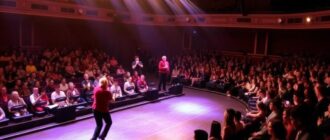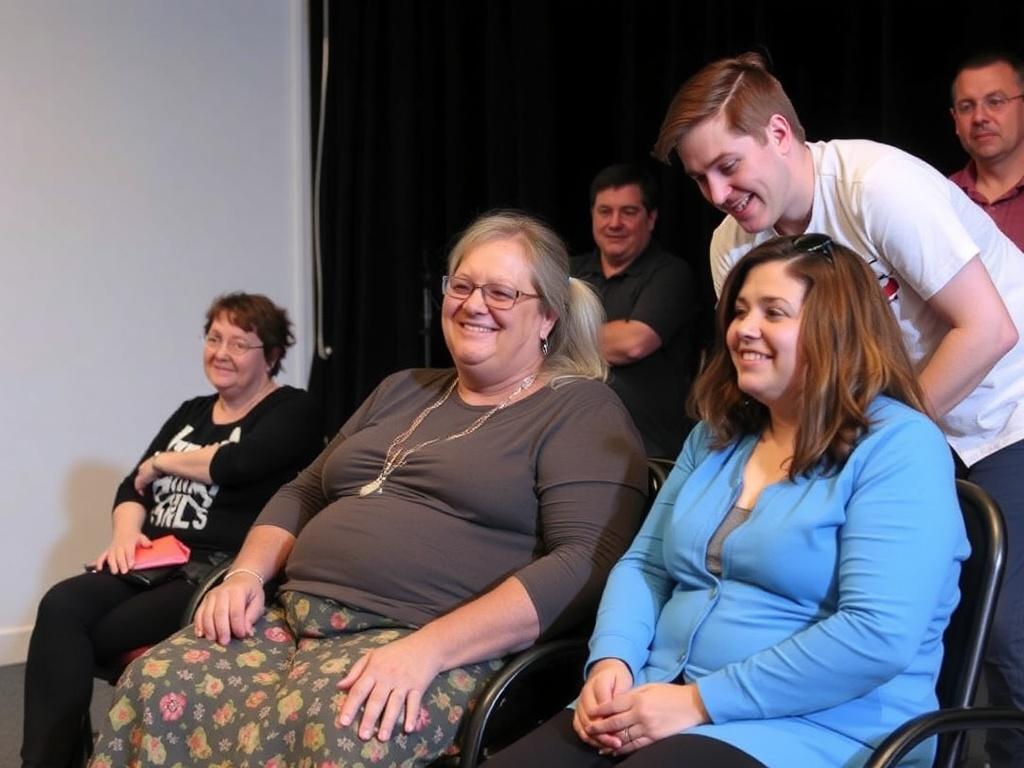
Theater has long been a mirror for the communities it serves, reflecting quirks, dreams, and the messy beauty of daily life. Yet for far too long, access to that reflection has been uneven, leaving audiences and artists on the outside looking in. This article explores how inclusive projects reshape stages, seating, scripts, and workflows so that everyone can participate—audience and artist alike. It’s a conversation about craft, empathy, and the messy, joyful work of reimagining what a theater can be.
Rethinking the theater: inclusion as core idea
Inclusion begins where accessibility ends. It’s not simply about adding a ramp or captions; it’s about designing a creative process that invites a wider range of voices into the room from the first brainstorming session to the final curtain call. When a theater makes inclusion a guiding principle, decisions about repertoire, rehearsal room layout, and audience experience become opportunities to extend belonging rather than concessions after the fact.
In practice, this mindset reframes risk. Rather than fearing “awkward” moments or potential extra costs, inclusive projects treat them as essential investments in storytelling. The result is a work culture where curiosity about difference replaces anxiety about difference, and where the friction of diverse needs feeds smarter art rather than stalling it. The phrase Инклюзивные проекты: театр для всех often surfaces as a reminder that inclusion is not a niche concern but a universal standard for a living art form.
From a practical standpoint, inclusion as a core idea touches every layer of a production. Casting choices, script development, set design, sound levels, and even speed and pacing of performances can be calibrated to welcome varied sensibilities. The goal is not to “appease” but to create a stage where multiple ways of seeing, hearing, moving, and processing information can coexist in a single, shared experience. Seen this way, inclusive practice becomes a driver of creativity, not a burden to manage.
Design principles that invite everyone
Universal accessibility and ergonomic spaces
Physical spaces that welcome everyone start with universal design: entrances and aisles wide enough for mobility aids, signage with clear pictograms, and lighting that guides without disorienting. For spectators who use wheelchairs, who rely on walkers, or who navigate with canes, these details translate into real dignity—no special requests, just straightforward access. In practice, this means close collaboration with accessibility consultants and ongoing testing with diverse visitors.
Digital and program content demand equal care. Large-print programs, captioned performances, and audio-described showings are not add-ons; they’re baseline expectations in a modern theater. When designers tailor online ticketing, interactive kiosks, and pre-show materials for ease of use, they remove friction that keeps people away. The result is an ecosystem where information travels smoothly, before, during, and after the performance.
Sound design is a case in point. A venue that prioritizes inclusive acoustics considers speech intelligibility, non-intrusive assistive devices, and quiet zones for hypersensitive attendees. It’s not about accommodating a single condition but about reducing sensory overload for a broad audience. Good design recognizes that accessibility benefits everyone, from quick theater-goers with a loud schedule to families balancing multiple needs in one evening.
Inclusive storytelling and casting
Beyond the physical layout, inclusion lives in the stories told and who gets to tell them. An ensemble that reflects varied backgrounds, abilities, and perspectives enriches the narrative palette. Casting with intention—seeking performers who bring distinct experiences to the table—transforms rehearsals from a routine process into a workshop of ideas where disability, neurodiversity, and cultural difference are not problems to solve but assets to cultivate.
Script development and production design should invite collaboration from communities that have historically been left out. Writers’ rooms can include advisors with lived experience, and designers can co-create with accessibility partners so that the final product resonates across audiences. The point is not to tokenize but to listen deeply and let those insights shape how scenes unfold, how stage business flows, and how pace and tone land with different listeners.
Rehearsals then become laboratories of empathy. A scene might be adjusted to accommodate sensory processing needs; a choreography might be redesigned so a performer with limited mobility can still express a moment with the same emotional weight as their peers. When artists and audiences see themselves reflected on stage, the theater stops feeling like a distant institution and starts feeling like a shared space for discovery.
Community co-creation and ongoing dialogue
Communities aren’t a passive audience; they’re co-creators with a stake in the work’s success. Inclusive projects invite locals into workshops, reader auditions, and open design sessions. This approach yields productions that feel less like imported shows and more like living, evolving conversations between the stage and the street.
Program design benefits from sustained dialogue. Feedback loops—easy-to-use surveys, post-show conversations, and accessible digital forums—help organizers course-correct in real time. When community partners are part of governance structures, decision-making becomes less hierarchical and more democratic, which in turn reinforces trust and long-term participation.
In these spaces, “theater for all” is not a slogan but a lived practice. The goal is to invite risk, celebrate difference, and treat every participant as a collaborator rather than a guest. This shift carries a practical consequence: when people see their insights reflected on stage, they bring their friends, families, and neighbors to see themselves represented too.
Real-world examples: stories from the stage
A sensory-friendly matinee that reimagined the space
Last year I watched a regional company premiere a sensory-friendly matinee for a children’s classic. The house lights stayed a touch brighter, the sound mix was dialed down, and volunteers circulated with fidget tools and quiet corners for families to retreat to if needed. The audience response was immediate and heartfelt; you could sense relief in the room as parents and caregivers realized the performance was built around their needs rather than pinched around them.
The creative team also offered a pre-show walkthrough for families. They described common cues, stage noises, and pacing so first-time attendees would feel secure. By the time the curtain rose, several families who had previously skipped performances were seated, smiles spreading across faces. The sense of belonging wasn’t just about access; it was about permission—permission to be seen and to participate without fear of discomfort or embarrassment.
From the production side, this run built a blueprint for future work: a standard set of accessibility practices that could scale with different plays. The technicians learned how to coordinate captioning with live actors, how to adjust lighting without compromising mood, and how to communicate clearly with a diverse audience before the show began. The result was not a one-off gesture but a repeatable method that kept yielding new participants and new stories.
Residencies that center disabled artists
In another city, a midsize theater launched a year-long residency program for disabled and neurodiverse artists. The goal wasn’t to “fix” them into the staff but to create a space where their practices could flourish alongside more traditional processes. The show that emerged from this residency wasn’t a curated artifact but a living document—an ongoing piece of work that grew with its creators and their experiences in real time.
The impact extended beyond the stage. The residency connected artists with schools, clinics, and community centers, expanding opportunities for mentorship and professional pathways. Audience members met residents after performances, heard about their methods, and left with a different understanding of what artistry can look like. It wasn’t about granting a halo of inclusion; it was about honoring a real, ongoing, artistic journey.
What stayed with me was a line from a participant: “We’re not asking for a seat at the table; we’re asking to build the table together.” That mindset—co-authorship rather than invitation—shifts power in small but meaningful ways, transforming the cultural ecosystem into one where everyone can contribute, learn, and grow.
Multilingual and intercultural productions
Some theaters have embraced multilingual performances to reach diverse communities, pairing original plays with translated surtitles, sign-language interpreters, and pre-show language cafés. The result is a richer texture in the audience experience as people bring their languages and cultural references into the room. The conversations before and after shows become more expansive and more personal, creating bridges between groups that might otherwise drift apart in a city’s cultural life.
These productions don’t just translate words; they translate lived realities. An intercultural production can surface humor rooted in different cultural contexts, or a shared experience of migration, aging, or family dynamics that resonates across borders. The audience leaves with more questions than answers, which is a sign of a truly inclusive artistic process—one that respects complexity and invites ongoing dialogue.
In my own travels, I’ve learned that multilingual work often reveals the quiet power of accessibility as a value system. When a creative team commits to rendering meaning across modes—spoken, signed, visual, tactile—the performance becomes a pedagogy for empathy. It trains audiences to listen differently and to expect different forms of expression as legitimate and important.
Challenges on the road: funding, attitudes, and logistics
Inclusive projects face real obstacles, from tight budgets to stubborn cultural habits. Accessibility features, dedicated staff, and flexible scheduling can strain an organization’s bottom line, especially during the early days when audiences and donors are still learning what inclusion costs and why it matters. The key is to treat these investments as strategic, not charitable, decisions that expand the artistic reach and market appeal of a theater over time.
More pernicious are attitudes that equate disabled participation with a burden or a “niche market.” Combating such thinking requires leadership that stands firm on the value of diverse perspectives and evidence that inclusive practices can boost ticket sales, critical acclaim, and community resilience. It also demands patience: changing a culture within a company or a town takes time, repeated conversations, and visible, measurable progress.
Operationally, inclusion adds layers to scheduling, rehearsal planning, and production workflows. It may require alternative formats for script drafts, sensory-friendly rehearsal spaces, or partner organizations to staff interpreters and captioners. The challenge is not to eliminate complexity but to manage it with transparency, so that participants feel they can contribute without being overwhelmed by administrative hurdles.
Practical steps for organizers: a roadmap
Step-by-step approach to launching inclusive work
A thoughtful launch starts with a clear mission and a concrete plan. Define what inclusive practice means for your organization beyond compliance—what audiences you want to reach, what artists you want to develop, and what metrics will show progress. Early commitments set the tone for the entire project and help secure buy-in from boards, funders, and staff.
Next comes stakeholder engagement. Build a coalition that includes disability advocates, educators, and community leaders who can advise on layout, access services, and content. Their input should shape not only one production but a rolling program that evolves with community needs. This collaborative approach signals to partners that inclusion is not a fad but a sustainable, co-created practice.
From there, implement incremental pilots. Start with a few accessible performances, a dedicated access hour, or a rehearsal room designed with universal access in mind. Measure impact, gather feedback, and translate what you learn into scalable systems. Small, repeatable wins compound into broader cultural change.
Key practices to embed in every production
Adopt a shared vocabulary around accessibility so every team member understands terminology, expectations, and responsibilities. Create a simple jargon-free guide for staff and volunteers, covering terms like captioning, audio description, sign language interpretation, and sensory-friendly pacing. Clear language builds confidence and reduces friction during rehearsals and performances.
Develop an accessible documentation plan. Offer scripts and show notes in multiple formats, provide pre-show guides, and maintain an up-to-date accessibility page on the theater’s site. Documentation that’s consistent across programs helps families, schools, and partners plan their visits with confidence.
Design a feedback culture. After each production, solicit input from artists, technicians, and audiences through anonymous surveys and facilitated focus groups. Demonstrating that you’ve listened and adapted—revising schedules, tweaking lighting, or adjusting seat layouts—creates a virtuous loop that invites ongoing participation.
A practical toolkit: a quick table of steps
| Step | What to do | Why it matters | Example |
|---|---|---|---|
| Audit | Assess physical, digital, and programmatic accessibility | Identifies gaps and priorities for improvement | Conduct an annual accessibility audit with community partners |
| Prototype | Run small-scale pilots of captioning, signing, and sensory options | Tests effectiveness before scaling | Host a pilot captioned performance and gather feedback |
| Partner | Engage disability organizations, schools, and libraries | Expands reach and legitimacy | Co-create a series of accessible outreach workshops |
| Scale | Develop repeatable processes and staffing models | Ensures sustainability | institutionalize an access coordinator role across seasons |
Communicating accessibility as a strategic value
Transparent communication with audiences and funders about the costs, benefits, and outcomes of inclusive projects builds trust. When donors see a clear plan, robust metrics, and stories of real impact, they connect funding to tangible community outcomes. Communication also helps to normalize inclusion as part of standard operating procedure, not a one-off experiment.
Marketing language matters, too. Instead of presenting accessibility as a “special feature,” describe it as part of the theater’s core identity. Use inclusive imagery, accessible copy, and plain-language explanations of services. The way a theater talks about inclusion can either invite participation or unintentionally gate it, so choose words that empower rather than pity.
In this broader narrative, the Russian phrase Инклюзивные проекты: театр для всех can be a guiding voice, reminding readers that inclusive practice transcends borders. It signals a global conversation about how art can and should welcome every voice into the shared human experience of performance.
Measuring impact: how to know you got it right
Definition of success in inclusive theater is not a single metric but a constellation of indicators that together tell a story. Attendance among diverse audiences, repeat attendance, and audience satisfaction scores are important, but they’re only part of the picture. Deep engagement—participants returning not just as audience members but as collaborators—speaks to lasting impact.
Qualitative feedback matters as much as quantitative data. Focus groups, conversations with theater-goers who use accessibility services, and interviews with artists can reveal how inclusion reshapes creative choices, professional pathways, and community trust. The aim is to capture nuance: a moment of recognition on stage, a new friendship formed in the lobby, a family planning their evening around sensory-friendly offerings.
Over time, you’ll notice a shift in organizational culture. Decision-making becomes more collaborative, budgets include dedicated access lines, and programming reflects a broader spectrum of stories. The ultimate measure is that inclusion stops being a separate initiative and becomes the default way of making theater—a baseline rather than a bonus.
Global perspectives: around the world
Across continents, theaters are exploring inclusive practices in ways that reflect local cultures, economies, and political landscapes. In some places, public policy has nudged accessibility forward through mandated captions or subsidized interpreters. In others, grassroots ensembles demonstrate how intimate, community-led practices can achieve porosity between performer and audience that larger institutions sometimes struggle to emulate.
What unites these efforts is a shared conviction: art is for everyone, and the act of making art together strengthens communities. The vocabulary changes—captioning in one country, tactile performance in another, or sign-language theatre in a third—but the underlying impulse remains the same: invite, adapt, and respond. This global mosaic offers a wealth of ideas that any theater can borrow and reimagine for its own context.
From urban joints to rural venues, from festivals to school residencies, inclusive practice is proving to be not only ethically compelling but institutionally resilient. When theaters invest in relationships with local groups, they build audiences that stay, return, and advocate. The idea that theatre can be a shared space for people with different abilities, languages, and life stories is echoing in auditoriums large and small around the world.
The future of inclusive theater: technology, policy, and art
Technology continues to expand the reach of inclusive practice in surprising ways. Real-time captioning, audio description that can be customized by the listener, and tactile or haptic stage elements are moving from novelty to standard features. Yet technology is merely a tool; the art still relies on human listening, flexible workflows, and a willingness to reframe what counts as “performance.”
Policy matters—and not just at the national level. Local codes, building standards, and school partnerships shape the feasibility of inclusive projects. The most effective change often happens when policy is paired with practice: funders who require accessibility as a condition of support, or city arts councils that award grants specifically for community co-creation. The synergy between policy and practice accelerates the pace at which theaters can become truly inclusive spaces.
Creatively, the horizon is wide. Projects that blend immersive technologies with live performance, or that stage collaborative work between professional actors and community participants, open new doors for authorship and audience agency. The core remains simple: when participants feel seen, heard, and valued, the art they make and consume becomes more provocative, more humane, and more unforgettable. The phrase Инклюзивные проекты: театр для всех keeps echoing as a reminder that inclusion is not a destination but a perpetual, evolving practice of care and curiosity.
A closing thought: inviting everyone to the curtain
If you’re stepping into this work for the first time, start with listening. Speak with accessibility coordinators, students who use assistive devices, families with neurodiverse children, and long-time patrons who crave more diverse storytelling. Let their insights seed a plan that’s practical, ambitious, and humane. Inclusion is not a burden to bear; it is a signal that a theater values every form of human expression and every night of shared wonder.
The journey is ongoing—there will be missteps, quick pivots, and small triumphs along the way. The most powerful outcomes come when inclusive practice becomes part of the organization’s DNA, not a standalone program. In that light, Инклюзивные проекты: театр для всех becomes less a label and more a living promise: that the stage belongs to everyone, and the performance begins wherever someone chooses to participate.
So if you’re a director, a producer, a dramaturg, or a community organizer, consider this: what would it take to make your next project truly inclusive from day one? Start with the room, the roster, and the story you want to tell. Then invite your neighbors to bring theirs. The curtain rises, and the theater opens—not just to a wider audience, but to a richer, more generous form of artistry that can only exist when everyone is invited to contribute.