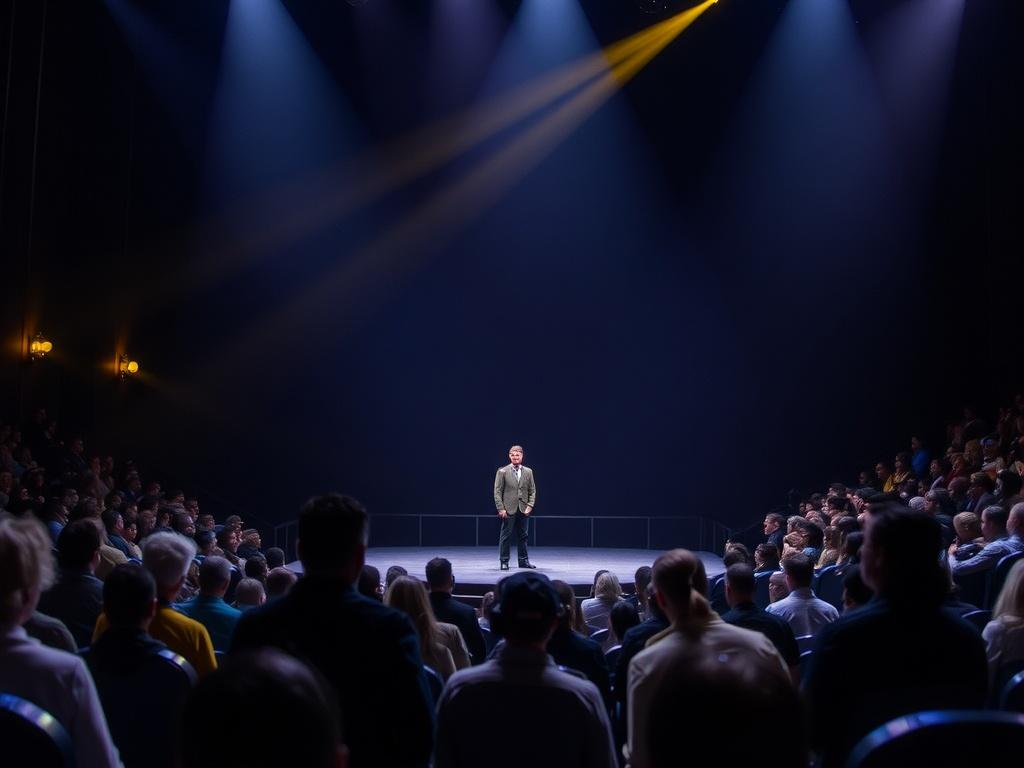
The new theater season is a crowded corridor of bright posters, glittering lobbies, and the electric hum of anticipation. Audiences crave the feeling of stepping into a new story, of being surprised, moved, and challenged in real time. This year’s slate mixes fresh voices with seasoned hands, blending intimate chamber pieces with bold, high-production spectacles. If you’re wondering where to start, you’re not alone. The landscape is wide, and the choices can feel overwhelming. Below, you’ll find a guided tour of what to look for, what to expect, and how to decide which nights out to book.
The season at a glance: themes, venues, and the pulse of the city
Across major cities, the season leans into urgent themes—identity, memory, and collective resilience—and it tests new design concepts that push the boundaries of what a stage can hold. Expect intimate plays staged in former warehouses, immersive productions that spill into multiple spaces, and musical journeys that fuse live orchestra with contemporary sound design. The venues themselves tell a story: historic houses undergoing thoughtful renovations, and newer, flexible spaces that invite audiences to move, linger, and re-enter the narrative on their own terms.
A threaded through-line this year is accessibility. Theaters are increasingly prioritizing relaxed performances, captioned subtitles, sensory-friendly options, and flexible seating arrangements. If you’ve ever felt the theater doors close a moment before you can connect with a show, you’ll notice real attempts to widen the circle this season. The social contract here is simple: if you come, you should be able to stay engaged from curtain rise to final bow.
What’s new in staging: tech, design, and storytelling
Innovation isn’t just a buzzword; it’s becoming a language. Expect productions that deploy scalable projection systems, soundscapes shaped by interactive sensors, and lighting designs that morph as dramatically as the characters. Directors are embracing non-linear storytelling, looping timelines, and audience-in-the-round experiences that make you a participant as much as a spectator. The result can feel exhilarating, a little nerve-wracking, and wholly immersive.
Design teams are collaborating more closely with dramaturgs and composers, creating a holistic sonic-visual-physical world. Expect sets that breathe—architectural scaffolding that folds into the action, props that reveal character history with a single touch, and costumes that cue mood just as reliably as lines of dialogue. These breakthroughs aren’t about gimmicks; they’re about removing friction between audience and story so the emotional truth lands more directly.
Genres to watch this season
Drama: intimate revelations and expansive mirrorings
Season drama this year tends to pair piercing personal stakes with broad social reflection. You’ll find works that place a single, well-drawn protagonist at the center of a larger moral landscape, as well as ensemble pieces that pulse with interwoven destinies. The strongest dramas balance lyric, precise language with stark, unflinching moments that feel lived-in rather than staged. If you’re drawn to plays that ask big questions but still cradle you in a private, humane moment, this is the lane to linger in.
Character depth remains king. Writers lean into contradictions—care and flaw, ambition and vulnerability—so you walk away with a sharper sense of who people are when the lights go up. Expect performances that demand quiet listening as much as loud confrontation, and direction that guides you through tangled time frames without losing you in them. For critics and first-time theatergoers alike, these dramas offer a reliable compass: emotional honesty paired with craft discipline.
Musical theater: live energy, reinventions, and bilingual bravado
Musicals this season aren’t shy about energy. You’ll see contemporary scores that blend pop, jazz, and world music with traditional Broadway craft, creating soundtracks that feel both familiar and daring. There’s a notable embrace of collective storytelling—choruses and ensembles that feel like mini-ecosystems, where every voice matters and every moment counts. If you thrill to performances that celebrate community as much as individual prowess, you’re in for a treat.
On the staging front, expect inventive choreographies and surprising venue choices. Some productions spill into ancillary spaces, inviting the audience to roam through scenes, and the best directors choreograph movement in ways that blur the line between audience and stage. It’s not just about a big chorus; it’s about how a company threads rhythm, lighting, and character into a single, vibrant experience.
Experimental and new voices: danger, novelty, and pure discovery
The season’s boldest bets often come from new voices testing the edges of form. Experimental theater remains a proving ground for ideas that can feel risky, even elusive. But when a new voice lands, the payoff is electric—a fresh rulebook for what performance can do and mean in a crowded cultural moment. Expect performances that demand patience, curiosity, and a willingness to let the artist set the pace.
Accessibility and collaboration continue to shape this space. Directors are inviting audiences into the rehearsal process, using documentary techniques, or blurring the lines between performance and pedagogy. If you prefer your theater with a side of challenge, you’ll likely encounter pieces that reward close attention, repeated viewings, or post-show conversations that illuminate the choices behind the craft.
Behind the scenes: directors, designers, and the season’s shaping minds
A show doesn’t live on the stage alone. The people in the booth, the designers backstage, and the dramaturgs reading the subtext all shape what you finally see. This season, several projects boast long-time collaborators who push each other to try new things, and a wave of fresh appointments that bring different cultural attitudes into familiar forms. The effect is a theater that feels both rooted and itinerant—confident in tradition, fearless in experimentation.
Look for the way a production treats space as a character. Directors who treat time like a sculpting material can shift a whole scene with a single blocking choice or a carefully timed pause. Designers who sprinkle the stage with tactile textures—fabrics that catch the light, objects with a tactile history, set pieces that lean into memory—create a sense of world-building that lasts long after the house lights come up. These collaborative choices often become the driving force of what makes a premiere memorable.
How to pick your nights out: practical guidance for navigating the lineup
With so many compelling options, you’ll benefit from a simple decision framework. Start by identifying your priorities: a story you can’t shake, a performance that promises a new sensory experience, or a revival that reframes a familiar work. If you’re choosing between two dramas, consider the cast chemistry and the director’s track record with pacing—these details can tilt a good night into a great one.
Ticket strategies also matter. Weeknights often offer more affordable seating and less crowded experiences, while weekends give you a fuller, festival-like atmosphere. If you’re chasing a specific artist or a premiere with proven buzz, early booking is wise, but last-minute options can also yield delightful surprises when you’re open to a slightly unconventional seat or a shorter running time.
Insider perspectives: how critics and theater lovers evaluate premieres
Seasoned critics look for a trio of markers: a strong spine of writing, coherent and expressive staging, and performances that feel both earned and alive in the moment. They’ll talk about the rhythm of the dialogue, the clarity of the emotional through-line, and the way the design serves the storytelling rather than stealing the spotlight. It’s not just about cleverness; it’s about trust between the script and the person delivering it.
Audience members bring a different set of measures. Many readers remember how a production made them feel rather than what they can quote in a review. The best premieres spark conversations long after the curtain falls—about voice and point of view, about how a story reshapes your understanding of a familiar idea. If a show invites discussion, it’s often a sign you’ve encountered something worth the time and the seat shift you might need to make room for it.
Where to find the latest information and tickets
In the fast-moving theater ecosystem, staying updated is half the game. Official theater websites, venue calendars, and season previews from critics can guide you to the right nights, times, and seating options. Social feeds, subscriber newsletters, and press screenings give you a sense of the season’s energy before you commit. If you’re planning a broader sweep of the calendar, building a short-list of three to five must-sees and two backups can help you navigate sold-out shows without losing momentum.
For readers curious about a cultural pulse beyond the marquee, the phrase Главные театральные премьеры сезона: что смотреть has started to appear in festival roundups and bilingual previews as a shorthand for the season’s most pivotal premieres. It’s not a rule, but it’s a signal that the lineup has something to offer for a broad audience, including Russian-speaking theatergoers seeking resonance across language and cultural boundaries.
Top picks by approach: a quick guide to different ways to enjoy the season
- Best for intimate storytelling: seek dramas with lean casts, intense character focus, and spare, precise production design.
- Best for immersive experiences: look for productions that extend beyond the proscenium, inviting you to move, touch, or even participate in the world of the play.
- Best for musical energy: prioritize ensembles where ensemble chemistry is as crucial as star power, and where the music drives the narrative forward.
- Best for new voices: explore works by emerging playwrights and directors who test boundaries and invite the audience into the trial-and-error process of creation.
What I’ve learned from past seasons (and what’s worth carrying forward)
From years spent watching premieres unfold, I’ve learned that anticipation often outpaces the actual experience. A show can be dazzling in concept yet falter in execution; another can arrive quietly and linger in the memory for weeks. The common thread is how a production treats timing: when to quicken, when to pause, and how the audience is invited to participate in the momentum. That sense of timing—more than any single effect—tells you whether a premiere belongs in the “must-see” column or the “great ambition, imperfect in practice” column.
I’ve also found value in revisiting a show after the first wave of openings. Revisitations reveal how a production responds to an evolving audience: some moments sharpen with repetition, while others fade as novelty wears off. If you’re unsure, consider catching a second performance from a different vantage point—balconies, box seats, or a sightline that changes how you read a scene. The differences can elevate your understanding and deepen the impact a premiere leaves behind.
Reader’s guide: building your season outline
To help you translate all this into a practical plan, here’s a simple framework you can adapt month by month. First, identify two “anchor” premieres—one drama and one musical or immersive piece—that align with your interests. Then pick two to three complementary shows that offer a different pace or tone. Finally, leave yourself one flexible night for discovery, when a show with buzz draws you in on impulse.
If you’re coordinating with friends or family, consider dividing the list by evenings or by budget. A shared planning session—where you map out dates, seating, and transportation—can turn a tentative interest into a set of unforgettable evenings. The theater season is a social event as much as it is a cultural one, and the shared experience often becomes the best part of the memory.
Engaging the season: a closing note on choosing with intention
Whether you’re a devoted theater veteran or a curious newcomer, the season offers a spectrum of experiences that reward attention and curiosity. The most satisfying nights aren’t always the most expensive or the loudest; they’re the ones that feel earned, where every component—writing, acting, design, and direction—aligns in service of a clear, resonant idea. If you’re patient and open, this season can broaden your sense of what live theater can do and how it can move you.
For readers who want a personal touch to guide their choices, I’ve found that the best nights are those when I leave the theater with a single, striking question in my mind—about character, about community, or about a lived truth I hadn’t considered before. That lingering question is a mark of a premiere that has earned its place in the memory of the season. It’s not a guarantee, but it’s a reliable signal that the work has chosen you back, and you’ve chosen it in return.